A truck accident can leave victims facing serious injuries, mounting medical bills, lost income, and uncertainty about their financial future. Filing an insurance claim may seem like the next step toward recovering these losses, but can a truck accident lawyer help if the insurance company denies my claim? In many cases, legal representation can help you understand the denial, challenge the insurer’s reasoning, and explore other options for seeking compensation.
A truck accident insurance claim denied by an insurer does not automatically mean you have no right to compensation. Insurance companies may reject claims because of liability disputes, insufficient evidence, policy exclusions, or questions about the severity of an injury. However, some denials may involve incomplete investigations, factual errors, or incorrect interpretations of policy terms.
A truck accident lawyer can review the circumstances, explain your options, and determine whether an appeal, further negotiations, or legal action may be appropriate. Because commercial trucking accidents can involve multiple responsible parties and complicated insurance policies, working with a lawyer may be particularly valuable in serious cases.
Why Do Insurance Companies Deny Truck Accident Claims?
Understanding why would insurance deny a truck accident claim is an important first step toward deciding what to do next. Insurers evaluate claims based on policy terms, available evidence, liability, and applicable law. However, disagreements can arise over how these factors apply to an accident.
Some common reasons truck accident claims are denied include disputes over fault, insufficient documentation, preexisting medical conditions, coverage exclusions, and missed reporting requirements.
Disputes Over Who Caused the Accident
A truck accident claim denied due to liability may involve an insurer arguing that its policyholder was not responsible for the collision. For example, the insurer might claim that the injured driver made an unsafe lane change or failed to maintain a safe following distance.
This type of truck accident liability dispute can become complicated when several vehicles or parties are involved. A lawyer can examine police reports, witness statements, vehicle damage, and other evidence to determine whether the insurer’s position is supported by the facts.
Insufficient Evidence
An insurer may issue a truck accident claim denied due to lack of evidence when the available documentation does not adequately establish how the accident occurred, who was responsible, or what injuries resulted.
Evidence that may support a claim includes police reports, photographs, witness statements, medical records, vehicle damage assessments, and electronic data from the commercial truck. An attorney can help gather and organize these records to establish the circumstances of the collision and document the resulting losses.
Allegations of a Preexisting Injury
A truck accident claim denied for pre-existing conditions may arise when an insurer argues that an injury existed before the collision or that the accident did not cause the medical condition being claimed.
Medical records, diagnostic results, treatment histories, and statements from healthcare providers may help clarify whether the crash caused a new injury or aggravated an existing condition. The presence of a preexisting condition does not automatically eliminate a person’s right to compensation; the outcome depends on the evidence and applicable law.
Policy Exclusions or Coverage Disputes
Sometimes, insurance says truck accidents are not covered. A situation like this develops because the insurer believes the accident or claimed losses fall outside the policy’s coverage.
A truck accident insurance coverage dispute may involve questions about the driver’s coverage, the trucking company’s commercial policy, policy exclusions, or the responsibilities of other potentially liable parties. A lawyer can examine the relevant policy language and assess whether the insurer’s explanation is consistent with the contract and governing law.
Late Reporting or Procedural Issues
A truck accident claim denied due to late reporting may involve an insurer alleging that the injured person failed to provide timely notice, submit required paperwork, or comply with a policy condition.
The consequences depend on the policy, applicable law, and circumstances of the case. Before assuming that a procedural issue prevents recovery, consider having an attorney examine the denial and determine whether any options remain.
How Can a Truck Accident Lawyer Help After an Insurance Denial?
If you are wondering what to do if insurance denies your truck accident claim, start by understanding the insurer’s stated reasons and gathering the documents that support your case. Depending on the circumstances, a lawyer may be able to challenge the denial or identify another route to compensation.
Review the Insurance Company’s Denial Letter
The denial letter is often the starting point for understanding a truck accident claim denial. It may identify the reasons for rejecting the claim, cite specific policy provisions, or explain what information the insurer believes is missing.
A lawyer can compare the letter with the policy, claim documents, and accident evidence to identify factual errors, disputed liability findings, or unsupported coverage arguments. This assessment can help determine whether further documentation, negotiations, or a formal appeal is appropriate.
Conduct an Independent Investigation
An insurer’s investigation may not address every issue relevant to your claim. A truck accident attorney can conduct an independent investigation to establish what happened and identify parties who may be legally responsible.
Depending on the circumstances, this investigation may involve:
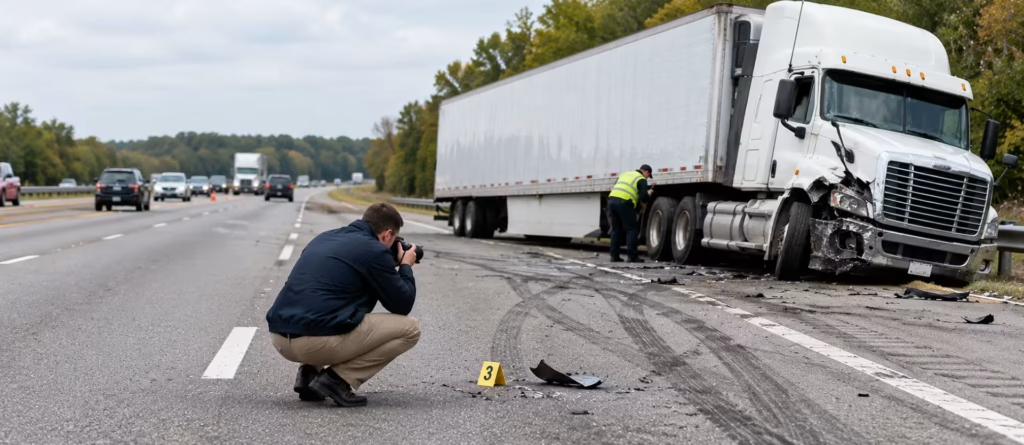
- Reviewing police reports and accident scene photographs.
- Interviewing witnesses and obtaining their statements.
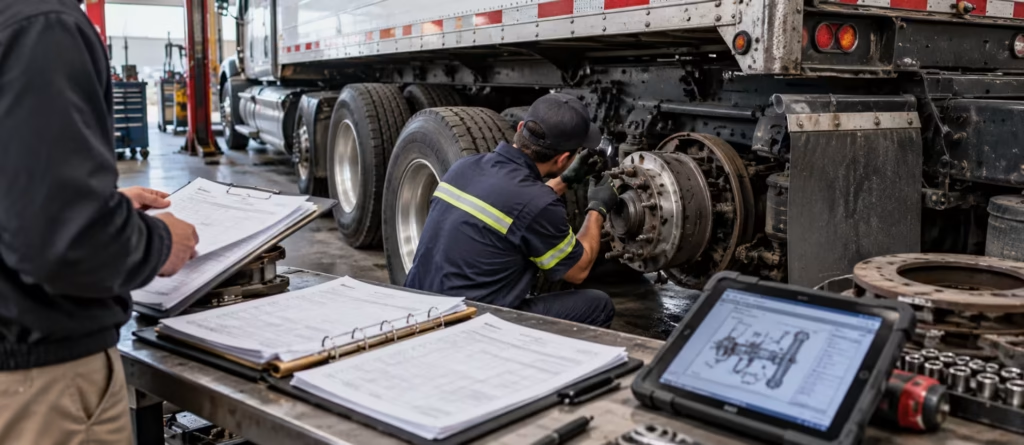
- Examining truck maintenance and inspection records.
- Reviewing driver logs and electronic logging data.
- Investigating possible driver fatigue, speeding, or distracted driving.
- Examining vehicle data and accident reconstruction findings.
- Reviewing trucking company hiring, training, and safety practices.
Driver records and vehicle data can be particularly important in cases involving suspected FMCSA truck accident negligence, such as potential violations of applicable federal motor carrier safety requirements.
An attorney may also send a truck accident spoliation letter or another appropriate preservation notice to request that relevant evidence be retained. Acting promptly can be important because some electronic records may be overwritten or other evidence lost over time.
Identify All Potentially Liable Parties
Truck accidents can involve more than one potentially responsible party. Depending on the facts, liability may extend to the truck driver, trucking company, maintenance contractor, cargo-loading company, or vehicle or component manufacturer.
A lawyer can investigate whether additional parties contributed to the collision and whether their insurance policies may provide another source of recovery. This can be particularly important when the insurer initially contacted by the injured person disputes responsibility or denies coverage.
Challenge the Denial with Supporting Evidence
When an insurer’s decision appears inconsistent with the evidence or policy terms, a lawyer may submit a written response explaining why the claim should be reconsidered.
This process may involve an appeal or other formal request for review. An attorney can identify the insurer’s specific objections and provide relevant medical records, witness statements, accident reports, expert findings, and documentation of financial losses.
The objective is to establish a clear, evidence-based reason for reconsidering the claim. Although a successful challenge cannot be guaranteed, addressing the insurer’s stated concerns may improve the prospects of obtaining a fair review.
Negotiate With the Insurance Company
Insurance negotiations can become difficult when the insurer disputes fault, questions the seriousness of an injury, or challenges the amount of compensation requested.
A truck accident claim lawyer can communicate with the insurer, present evidence supporting the claim, and negotiate for a settlement that reflects the documented losses and applicable law.
Depending on the circumstances, recoverable damages may include:
- Medical expenses and future treatment costs.
- Lost wages and reduced future earning capacity.
- Physical pain and suffering.
- Emotional distress, where recoverable under applicable law.
- Rehabilitation and other accident-related expenses.
- Loss of normal activities or enjoyment of life, where recognized by law.
The damages available depend on the facts, applicable law, and relevant insurance coverage.
Consider Filing a Lawsuit
If the insurer refuses to reconsider an unsupported denial or negotiations fail, filing a lawsuit may be an option. A lawyer can explain the potential benefits, costs, risks, and deadlines associated with litigation.
Legal action does not automatically guarantee compensation, but it may provide a way to resolve disputed liability or coverage issues through the appropriate legal process.
What Should You Do After Your Truck Accident Claim Is Denied?
Knowing what to do if insurance denies your truck accident claim can help you protect your options while you assess the next steps.
Read the Denial Letter Carefully
Identify the specific reason the insurer gives for rejecting your claim. Determine whether it is disputing liability, questioning your injuries, citing an exclusion, or alleging that a procedural requirement was not met. Keep the letter and all related emails and correspondence.
Gather Supporting Documents
Collect records relevant to your accident and losses, including:
- Police or accident reports.
- Photographs and videos of the scene and vehicle damage.
- Medical records, treatment bills, and receipts.
- Proof of missed work and lost income.
- Witness contact information and statements.
- Insurance policies and claim correspondence.
This documentation can help establish the facts of the accident, the extent of your injuries, and the financial impact of the collision.
Avoid Giving Unnecessary Recorded Statements
An insurer may request a recorded statement or ask questions about the accident and your injuries. Before agreeing, understand your obligations under the relevant policy and consider seeking legal advice.
Answer questions truthfully, avoid speculation, and do not guess about facts you cannot remember.
Be Careful Before Accepting a Settlement
If an insurer offers a settlement after denying or disputing part of your claim, review the terms carefully before accepting. A settlement may require you to release certain claims, potentially preventing you from seeking additional compensation for the same incident.
Consider whether the offer accounts for your current medical expenses, anticipated treatment, lost income, and other recoverable damages.
Pay Attention to Legal Deadlines
Insurance appeals, policy requirements, and personal injury lawsuits may have different deadlines. Do not assume that negotiating with an insurance company automatically extends the deadline for filing a lawsuit.
An attorney can help identify the applicable time limits and determine what action may be necessary to preserve your rights.
Can You Appeal a Denied Truck Accident Claim?
Yes, an appeal may be possible, depending on the insurer’s reason for denying the claim, the policy terms, and the applicable law. A truck accident claim appeal generally involves asking the insurer to reconsider its decision based on the policy, relevant facts, or additional supporting documentation.
If you need to appeal denied truck accident claim decisions, review the denial letter for instructions, deadlines, and any internal review procedures. Your response should address the specific grounds for rejection rather than simply repeat the original claim.
For example, an appeal may include additional medical records, evidence establishing the other driver’s negligence, or documentation showing that the insurer misinterpreted a policy provision.
If you are asking how to appeal an insurance claim denial after a truck accident, consider consulting an insurance claim denial lawyer who can review the denial and advise you on the appropriate procedure.
What Documents Are Needed to Appeal a Truck Accident Claim Denial?
The documents required depend on the reason for the denial. However, the following may be useful when preparing an appeal:
- The insurer’s denial letter and policy documents.
- Police reports and accident scene photographs.
- Medical records, diagnostic reports, and treatment bills.
- Witness statements and contact details.
- Truck driver logs and available electronic vehicle data.
- Repair estimates and evidence of financial losses.
- Relevant correspondence with the insurer.
If you are unsure how to respond to a truck accident insurance denial letter, organize your records and identify the evidence that directly addresses the insurer’s objections before submitting your response.
Can a Lawyer Overturn a Denied Truck Accident Claim?
People often ask if a lawyer can overturn a denied truck accident claim after receiving an unfavorable decision. A lawyer cannot guarantee that an insurer will reverse its decision, but legal representation may help identify errors, challenge unsupported arguments, and present additional evidence.
An attorney may negotiate with the insurer, submit an appeal, pursue a claim against another responsible party, or recommend litigation where appropriate.
If a denied 18-wheeler accident claim decision involves disputed facts or coverage, a detailed review can help clarify the available options. Similarly, a denied trucking insurance claim may warrant further examination when the insurer’s decision appears inconsistent with the available evidence or the relevant policy.
However, not every denial can be overturned. The outcome depends on the strength of the evidence, policy terms, legal requirements, and circumstances of the accident.
What Happens After a Truck Accident Claim Is Denied?
Understanding what happens after a truck accident claim is denied can help you prepare for the next stage of the process.
Depending on the circumstances, the insurer may reconsider the claim after receiving additional evidence, maintain its original decision, or negotiate a settlement. You may also have grounds to pursue a claim against another potentially responsible party or take legal action.
If you are asking, should I accept an insurance denial after a truck accident, consider the reasons provided, the available evidence, and the deadlines that apply before deciding to abandon the claim. A denial should not automatically be treated as the final word, but further action should be based on a realistic assessment of the facts and law.
If you are wondering how long do I have to appeal a denied truck accident claim, check the policy and denial letter and seek advice promptly. Appeal deadlines and lawsuit filing limits may differ, and missing a deadline can affect your options.
Can You Sue an Insurance Company for Denying a Truck Accident Claim?
The question of whether I can sue an insurance company for denying a truck accident claim depends on the circumstances, the policy, the parties involved, and applicable law.
An insurer does not necessarily act unlawfully simply because it denies a claim. It may have a valid reason based on policy exclusions, insufficient evidence, or a genuine dispute over liability. However, a denial that violates legal obligations or involves improper claims handling may warrant further investigation.
What Is Insurance Bad Faith in a Truck Accident Claim?
People asking what “insurance bad faith” in a truck accident claim is are generally concerned about whether an insurer has handled a claim improperly rather than merely making an unfavorable decision.
The legal meaning of bad faith varies by jurisdiction and the type of insurance relationship involved. Depending on applicable law and the facts, concerns may include unreasonable delays, inadequate investigation, misrepresentation of policy terms, or an improper refusal to pay a covered claim.
A potential bad-faith insurance denial truck accident case requires more than disagreement with the insurer’s conclusion. The available evidence must support the applicable legal requirements.
An insurance bad faith lawyer can assess whether the insurer’s conduct may give rise to a separate legal claim. They may also evaluate whether the denial itself can be challenged through the relevant claims process or legal proceedings.
How to Prove Insurance Bad Faith After a Truck Accident
If you are considering how to prove insurance bad faith after a truck accident, preserve the documents that show how the insurer handled the claim. Depending on the circumstances, relevant evidence may include:
- The denial letter and applicable insurance policy.
- Records of communications with the insurer.
- Documents showing when information was submitted.
- Evidence that relevant records or facts were overlooked.
- Reasons given for delays or repeated requests for information.
- Documentation that may contradict the insurer’s stated explanation.
A lawyer can assess whether these records support a potential bad-faith claim under the applicable law. The standards and remedies vary, so a bad-faith allegation should not be assumed solely because a claim was denied.
What Evidence Can Strengthen a Truck Accident Insurance Claim?
Strong documentation can be important when challenging a denial or pursuing compensation. The evidence needed for a truck accident insurance claim depends on the disputed issues but may include accident reports, medical records, photographs, witness accounts, repair estimates, and evidence of lost income.
In commercial trucking cases, additional records may be relevant.
Black Box Evidence After a Truck Accident Claim Denial
Black box evidence after truck accident claim denial may help establish details about the collision, depending on the equipment installed and the data available. Certain electronic systems may record information such as vehicle speed, braking, or other operating details.
A lawyer can assess whether relevant electronic data exists, whether it can be obtained, and how it relates to the insurer’s reasons for denying the claim.
Truck Driver Logs as Evidence
Truck driver logs as evidence for an insurance claim may involve records of driving hours, rest periods, and other information relevant to driver activity. Electronic logging data and supporting records may be useful when driver fatigue or compliance with applicable hours-of-service requirements is in question.
Such evidence does not automatically establish liability, but it may contribute to a broader investigation into the cause of the collision.
What if the Trucking Company’s Insurance Company Denies Liability?
A trucking company’s insurer may argue that the driver was not negligent, the company was not responsible, or another motorist caused the collision. It may also dispute whether the injuries and financial losses resulted from the accident.
A truck accident insurance dispute can become more complicated when multiple parties and policies are involved. An attorney can examine the evidence, review the relevant policies, and assess whether the insurer’s position is supported by the facts and applicable law.
For example, evidence of excessive driving hours or inadequate vehicle maintenance may be relevant if it contributed to the collision. The significance of that evidence depends on the circumstances and the applicable legal requirements.
How Much Does a Truck Accident Lawyer Cost?
The cost of hiring a lawyer depends on the attorney, the law firm, the type of claim, and the services required. Many personal injury attorneys handle qualifying accident claims on a contingency-fee basis, meaning the attorney’s fee is generally tied to the compensation recovered rather than paid as an upfront hourly fee.
Before hiring an attorney, ask for a clear explanation of the fee agreement, the percentage charged, how case expenses are handled, and what happens if no recovery is obtained.
If you are looking for a free consultation from a truck accident lawyer, ask whether the initial consultation is free and whether the firm handles cases on a contingency-fee basis.
When Should You Contact a Truck Accident Lawyer?
Consider contacting a truck accident lawyer near me as soon as possible if an insurer denies your claim, disputes fault, questions your injuries, or refuses to offer compensation that adequately reflects your documented losses.
Early legal guidance may help preserve important evidence, identify relevant insurance policies, and prevent avoidable mistakes during the claims process.
If you are pursuing a denied truck accident claim in Texas, the applicable Texas laws and deadlines may affect your options. A lawyer familiar with Texas truck accident cases can review the denial, explain the relevant requirements, and assess whether further action may be worthwhile.
Get Legal Guidance After a Denied Truck Accident Claim
A denied insurance claim can create additional stress when you are already dealing with the physical, emotional, and financial consequences of a truck accident. However, an insurance company’s decision does not always end your opportunity to seek compensation.
The Wright Law Office can review the insurer’s reasoning, investigate the collision, gather supporting evidence, identify potentially liable parties, and assess available options for challenging a denial. Depending on the circumstances, those options may include submitting additional documentation, appealing the decision, negotiating with the insurer, or filing a lawsuit.
If your claim has been denied, consider seeking legal guidance before giving up on your case or accepting a settlement. A review of your circumstances can help you understand your rights and decide how to proceed.