Traffic accidents happen every day across Texas, but not every car accident claim or motorcycle accident claim is handled the same way. While both types of accidents can result in injuries, financial losses, and insurance disputes, the legal process surrounding these claims often differs significantly.
Understanding the difference between motorcycle and car accident claims is important for anyone involved in a serious crash. Motorcyclists face unique risks, different insurance challenges, and greater scrutiny from insurance companies than occupants of passenger vehicles.
Whether you are pursuing a personal injury claim motorcycle accident case or a personal injury claim car accident matter, knowing these differences can help you make informed decisions and protect your right to compensation.
Why Motorcycle and Car Accident Claims Are Treated Differently
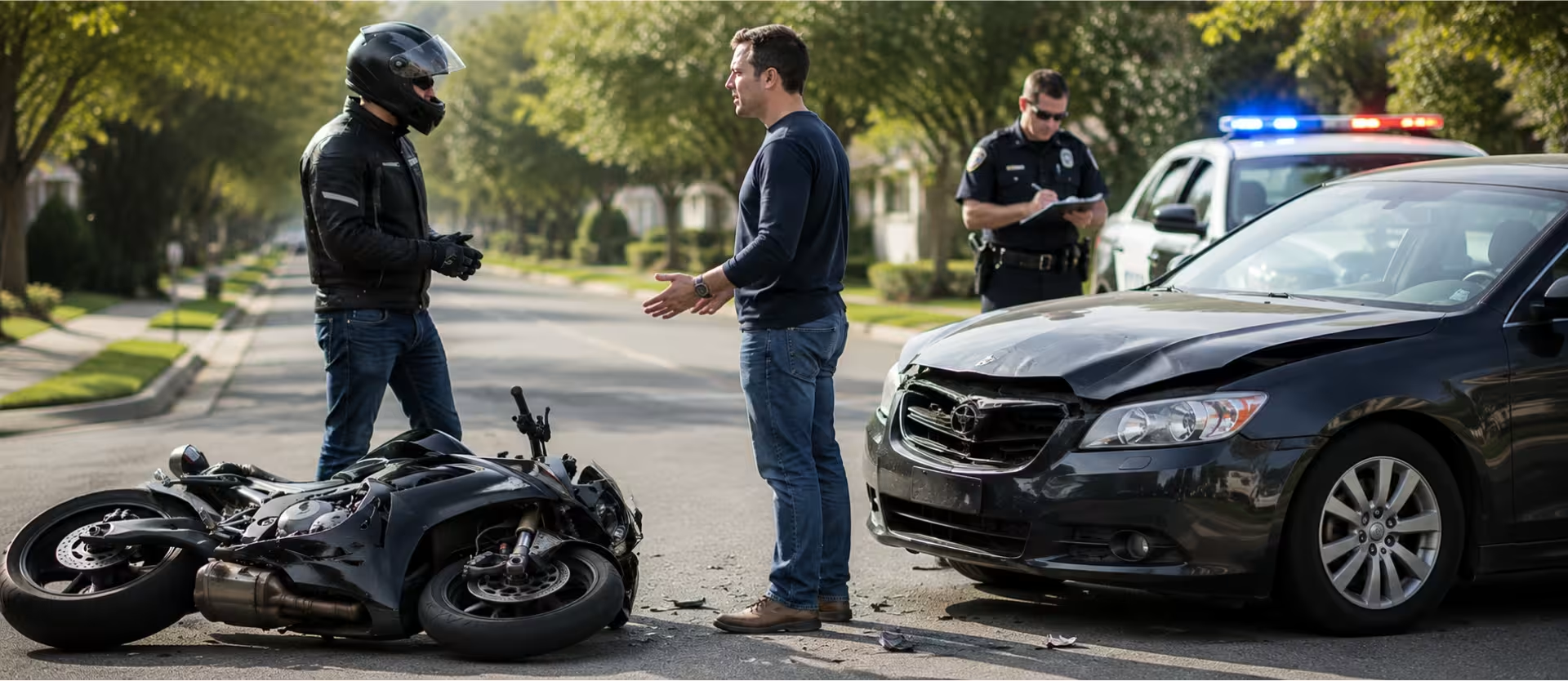
At first glance, a motorcycle vs car accident case may seem similar. Both require victims to establish fault, document damages, and negotiate with insurers. However, motorcycle accident claims often present additional complications.
Motorcycle Accident Injuries vs Car Accident Injuries
One of the most significant distinctions between motorcycle and vehicle collisions is injury severity.
The contrast between motorcycle accident injuries vs car accident injuries is substantial because motorcyclists lack the protection provided by airbags, seat belts, and the structural frame of a vehicle.
Common motorcycle accident injuries include:
- Traumatic brain injuries (TBIs)
- Spinal cord injuries
- Severe road rash
- Multiple fractures
- Internal injuries
- Amputations
- Permanent disabilities
As a result, a motorcycle accident injury claim often involves significantly higher medical expenses, longer recovery periods, and greater future care needs than a typical car accident injury claim.
Insurance Company Bias Against Riders
Insurance companies frequently approach motorcycle accident cases differently than car accident cases.
Adjusters may assume:
- The rider was speeding
- The rider was behaving recklessly
- The rider accepted greater risk by choosing a motorcycle
- The rider contributed to the crash
These assumptions can influence how motorcycle accident liability is evaluated and may lead insurers to dispute fault more aggressively.
More Complex Accident Investigations
Determining who is at fault in a motorcycle accident often requires extensive investigation.
Evidence may include:
- Vehicle damage analysis
- Skid mark measurements
- Traffic camera footage
- Witness testimony
- Roadway conditions
- Expert accident reconstruction
Because evidence can disappear quickly, the motorcycle accident claim process often requires immediate action.
Common Causes of Motorcycle Accidents in Texas
Many motorcycle crashes occur because other motorists fail to recognize riders on the road.
Left-Turn Collisions
A driver turning left may fail to see an approaching motorcycle or misjudge its speed, resulting in a serious impact.
Unsafe Lane Changes
Motorcycles can easily disappear into vehicle blind spots. Drivers who fail to check mirrors before changing lanes frequently cause accidents.
Distracted Driving
Texting, GPS use, phone calls, and in-vehicle technology continue to contribute to crashes across Texas.
Failure to Yield
Drivers who fail to yield at intersections, merge points, and cross streets create dangerous situations for motorcyclists.
Impaired Driving
Alcohol and drug impairment remain major contributors to severe traffic accidents statewide.
How Fault Is Determined in Texas Accident Claims
Texas follows a modified comparative negligence system.
Under state law, an injured victim can recover compensation if they are 50% or less responsible for the accident. However, compensation is reduced by their percentage of fault.
For example:
- Total damages: $100,000
- Victim responsibility: 20%
- Recoverable compensation: $80,000
This rule applies to both motorcycle and vehicle collisions.
Why Fault Disputes Are More Common in Motorcycle Cases
Insurance companies frequently attempt to shift blame to riders by alleging:
- Excessive speed
- Unsafe passing
- Aggressive riding
- Failure to maintain control
Because these accusations can significantly reduce compensation, establishing who is at fault in a motorcycle accident often becomes one of the most contested parts of the claim.
Similarly, determining who is at fault in a car accident can become complicated when multiple drivers are involved or conflicting accounts exist.
Insurance Challenges in Motorcycle Accident Claims
Motorcycle Accident Insurance Claims vs Car Accident Insurance Claims
A motorcycle accident insurance claim and a car accident insurance claim may appear similar, but policy structures and claim handling often differ.
Motorcycle policies may have different provisions for:
- Medical payments coverage
- Uninsured motorist protection
- Underinsured motorist coverage
- Custom equipment coverage
- Accessory replacement
Understanding available coverage can have a major impact on the outcome of a claim.
Higher Claim Values
Because injuries are often more severe, a motorcycle accident settlement may involve:
- Multiple surgeries
- Extended hospitalization
- Rehabilitation programs
- Long-term disability
- Ongoing medical treatment
As financial exposure increases, insurance companies often become more aggressive in defending claims.
Injury Compensation in Motorcycle vs Car Accident Claims
Victims of both motorcycle and automobile collisions may pursue compensation for economic and non-economic losses.
Economic Damages
Economic damages may include:
- Emergency treatment
- Hospital bills
- Surgical expenses
- Physical therapy
- Prescription medication
- Lost wages
- Future medical care
- Property damage
Non-Economic Damages
Victims may also recover compensation for:
- Pain and suffering
- Emotional distress
- Mental anguish
- Loss of enjoyment of life
- Permanent impairment
- Disfigurement
Settlement Values and Long-Term Losses
Neither motorcycle accident settlement amounts nor car accident settlement amounts can be accurately estimated without evaluating the facts of a particular case.
Settlement values often depend on:
- Severity of injuries
- Medical expenses
- Future treatment needs
- Lost earning capacity
- Insurance coverage
- Liability disputes
A successful motorcycle accident compensation claim or car accident compensation claim should account for both current and future losses.
Wrongful Death Damages
When a fatal accident occurs, surviving family members may seek compensation for:
- Funeral expenses
- Loss of financial support
- Loss of companionship
- Emotional suffering
- Mental anguish
Fatal motorcycle crashes often result in substantial damages due to the catastrophic nature of the injuries involved.
Evidence That Strengthens Motorcycle Accident Claims
Strong evidence is critical in any accident case.
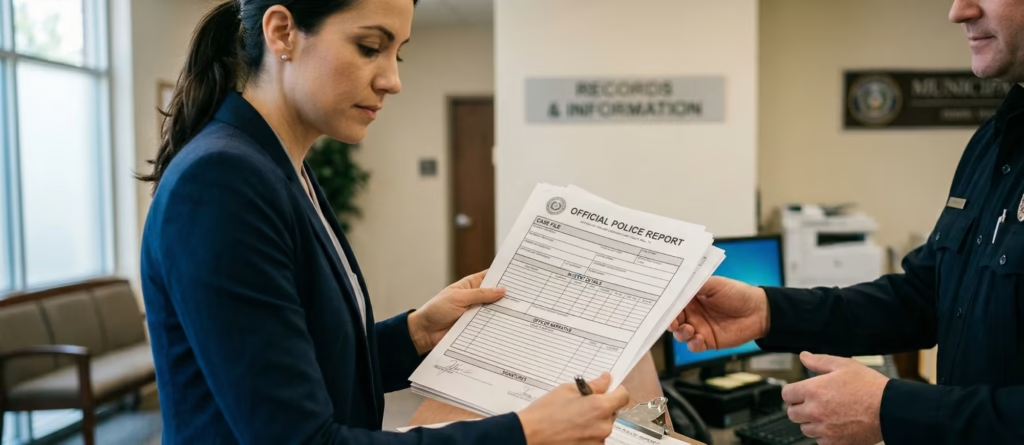
Police Reports
Official crash reports often contain:
- Driver statements
- Witness information
- Initial fault assessments
- Citations issued at the scene
Witness Testimony
Independent witnesses can provide valuable accounts of how the collision occurred.
Traffic Camera and Surveillance Footage
Video evidence may help establish:
- Vehicle positions
- Driver behavior
- Traffic signal compliance
- Speed and impact timing
Medical Records
Medical documentation helps connect injuries directly to the accident.
Expert Testimony
Accident reconstruction specialists and medical experts may provide crucial evidence in severe injury cases.
Settlement Timelines: Motorcycle Claims Often Take Longer
Motorcycle accident cases frequently take longer to resolve than traditional vehicle accident cases.
Several factors can extend the process:
- Ongoing medical treatment
- Disputed liability
- Multiple insurance carriers
- Future care evaluations
- Permanent disability assessments
Accepting an early car accident settlement or motorcycle settlement offer may leave victims without adequate compensation for future expenses.
Understanding the full value of damages before settling is essential.
Common Mistakes After a Motorcycle Accident
Avoiding these mistakes can strengthen a claim and protect your ability to recover compensation.
Delaying Medical Treatment
Prompt medical care creates documentation that connects injuries to the crash.
Giving Recorded Statements
Insurance adjusters may use recorded statements to reduce or deny claims.
Posting on Social Media
Photos, videos, and comments can be used to challenge injury claims.
Accepting Quick Settlement Offers
Early settlement offers rarely account for future medical expenses and long-term losses.
Failing to Preserve Evidence
Damaged gear, photographs, witness information, and repair estimates may become valuable evidence later.
How a Texas Personal Injury Lawyer Can Help
Whether you are pursuing a motorcycle accident lawsuit or a car accident lawsuit, experienced legal representation can significantly impact the outcome of your case.
An attorney can help:
- Investigate the accident
- Gather critical evidence
- Establish liability
- Work with expert witnesses
- Calculate damages
- Negotiate with insurers
- File litigation when necessary
Many accident victims begin their search with phrases like motorcycle accident attorney near me because local legal guidance can be invaluable after a serious crash.
An experienced motorcycle accident lawyer understands the unique challenges riders face, while a knowledgeable car accident lawyer can effectively manage vehicle collision claims involving serious injuries and disputed fault.
Can a Motorcycle Passenger File a Claim?
A common question after a crash is: can a motorcycle passenger file a claim?
In most situations, yes.
Passengers injured in motorcycle accidents may be able to pursue compensation from:
- The motorcycle operator
- Another negligent driver
- Commercial vehicle operators
- Rideshare companies
- Other responsible third parties
Because passengers are rarely responsible for causing an accident, they often have strong injury claims.
Final Thoughts
While motorcycle and car accident claims share many legal principles, the realities of motorcycle vs car accident claims can differ dramatically. Riders often face more severe injuries, larger damages, increased insurance scrutiny, and more complicated liability disputes.
Understanding the difference between motorcycle and car accident claims can help accident victims make informed decisions about medical treatment, insurance negotiations, and legal representation.
If you’ve been injured in a serious crash, consulting an experienced attorney can help protect your rights and pursue the compensation you deserve through a properly documented motorcycle accident claim or car accident claim.