If you’ve just been involved in a car accident, you may be wondering what you should do next. Getting medical attention and making sure everyone is safe comes first. But if the scene is safe and you’re physically able, documenting what happened can also be important.
Vehicles may be moved, debris can be cleared, and road conditions can change within minutes. Taking car accident photos and preserving other evidence while the scene is still intact can give you a record of circumstances that may be difficult to establish later.
This guide explains what to photograph, when video can help, what other information to collect, and how to preserve your documentation after leaving the scene.
What Should You Do Immediately After a Car Accident?
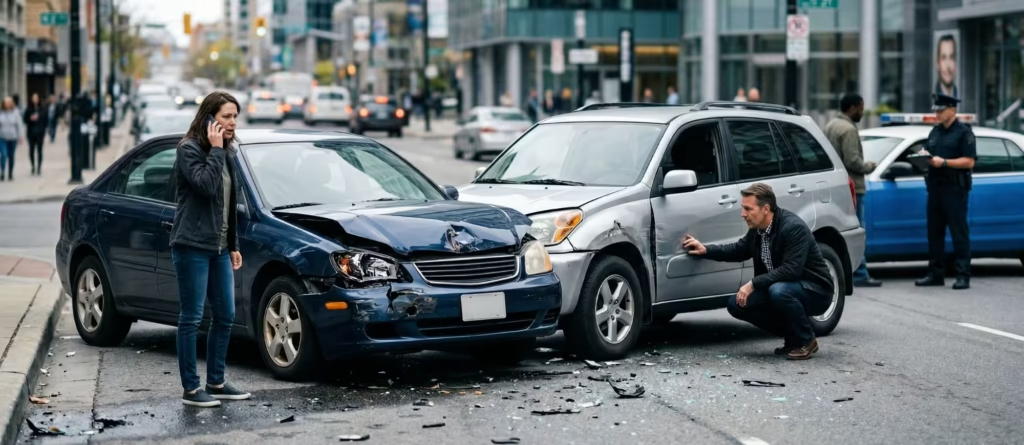
Before reaching for your phone, make sure you’re safe. Move away from traffic if you can do so safely, check for injuries, and contact emergency services when necessary.
If you’re injured, don’t delay medical treatment to document the crash. Someone else may be able to take photographs for you.
For anyone trying to understand what to do after a car accident, the priorities are straightforward:
- Check for injuries and seek medical attention.
- Move to a safe location if possible.
- Contact law enforcement when appropriate.
- Exchange information with the other driver.
- Get contact information from witnesses.
- Document the scene if it is safe to do so.
- Preserve your records, photographs, and other evidence.
Once immediate safety concerns have been addressed, documenting the accident can help preserve important details.
Should You Take Photos After a Car Accident?
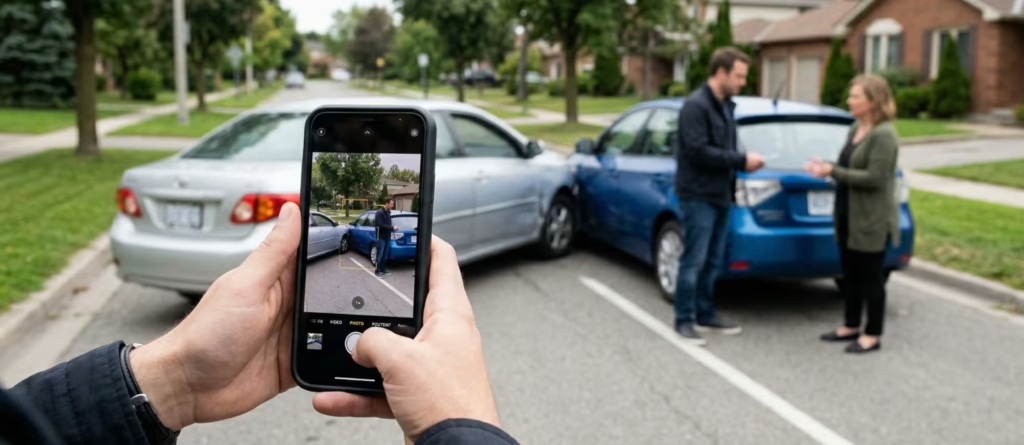
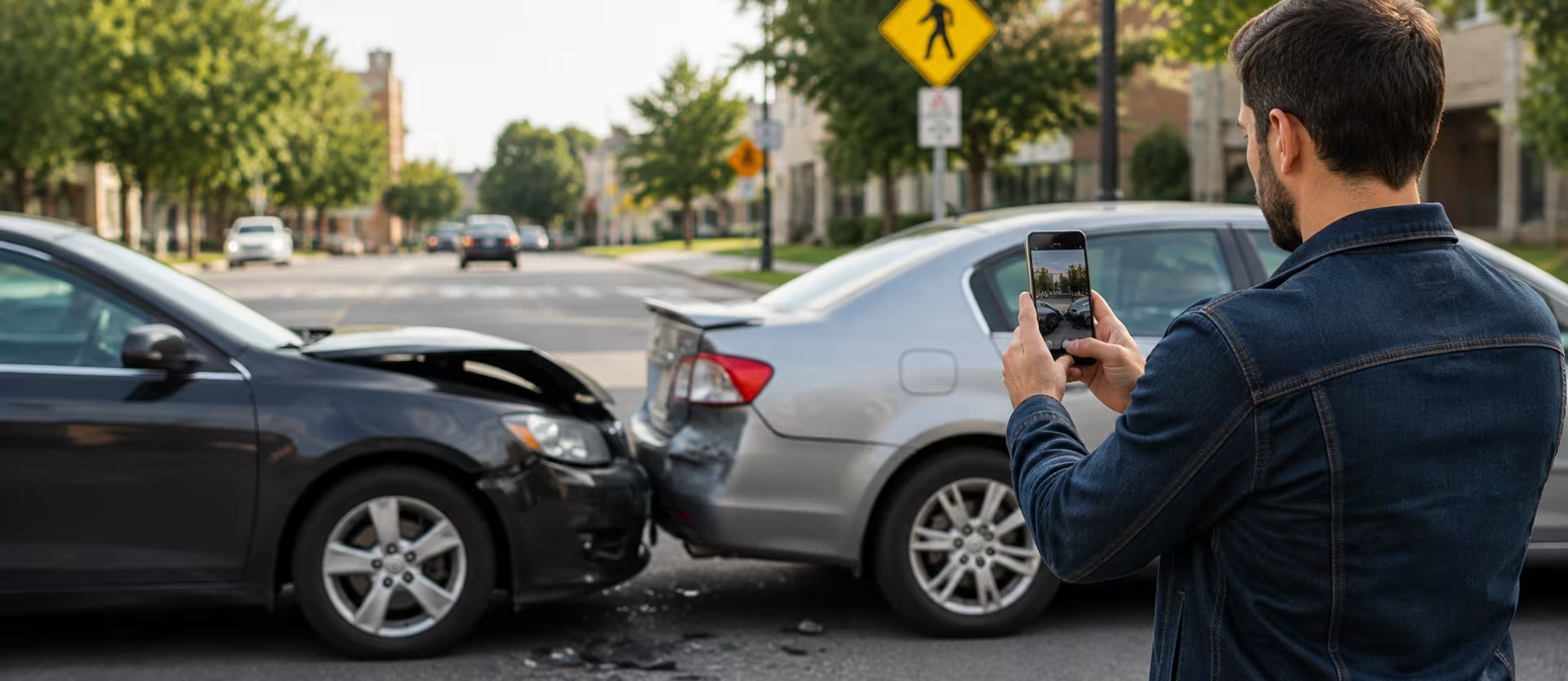
If the scene is safe, yes. Should I take photos after a car accident is a common question, and photographs can be particularly useful because they capture conditions as they existed shortly after the collision.
Don’t focus only on your own vehicle. A useful record should show the accident from different perspectives and preserve details that may help explain what happened.
What Pictures Should You Take?
If you’re wondering what pictures to take after a car accident, start with the scene as a whole before moving into specific details.
Take photographs of:
- All vehicles involved
- Vehicle damage from multiple angles
- License plates
- The position of the vehicles
- Debris and skid marks
- Traffic signs and signals
- Road markings and intersections
- Potholes or other roadway hazards
- Nearby property damage
- Weather and visibility conditions
- Visible injuries, when appropriate
Take both wide-angle and close-up photographs. A close-up may show a damaged bumper or broken light, while a wider photograph can show where that damage occurred in relation to the roadway.
Should You Record a Car Accident Scene?
Photographs aren’t the only way to preserve the scene. If you’re asking should I record a car accident scene, a short video can provide additional context that individual photographs may not capture.
Walk around the area only if it is safe. A video can show the layout of the roadway, traffic flow, vehicle positions, signs, signals, visibility, and other surrounding conditions.
Try to describe what you see rather than speculate about who caused the accident. Don’t use the recording as an opportunity to confront the other driver or argue about fault.
Should You Take Videos After a Car Accident?
Yes, when doing so is safe. Taking videos after a car accident depends largely on the circumstances at the scene. If you’re in an unsafe location or seriously injured, don’t put yourself at risk for the sake of obtaining footage.
Video works best alongside photographs. One doesn’t necessarily replace the other.
Don’t Stop at Photographs
Photos are valuable, but they’re only one part of car accident documentation. Other information collected at the scene can become just as important when an insurance company or attorney reviews the collision.
If possible, obtain:
- The other driver’s name and contact information
- Insurance information
- License plate and vehicle details
- Names and contact information for witnesses
- The responding police agency
- The officer’s name or badge number, if available
- The location and approximate time of the accident
Witnesses
People who saw the crash may remember details that aren’t visible in photographs. Witness statements after car accident can be particularly useful when the drivers disagree about what happened.
If someone witnessed the collision, get their contact information rather than assuming you’ll be able to locate them later.
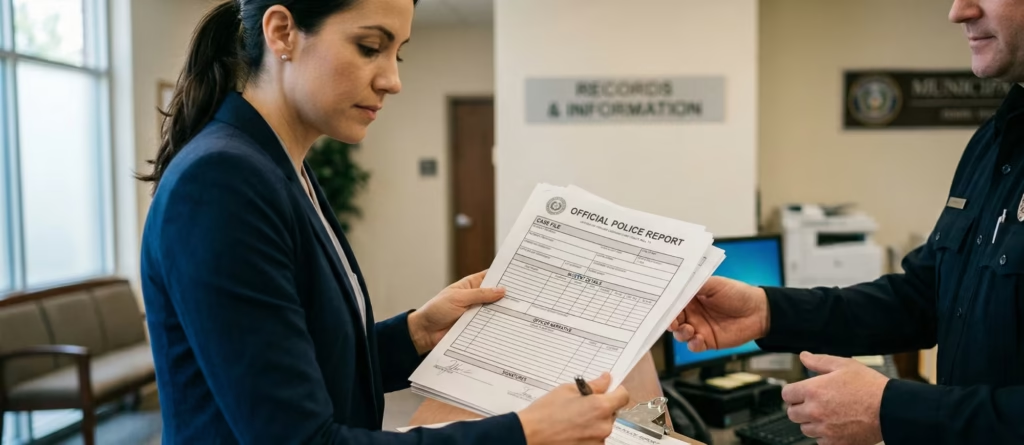
Police Reports
A police report after a car accident may contain information about the responding officer’s observations, statements made at the scene, citations, and other circumstances surrounding the crash.
The report is one piece of the evidence, rather than necessarily the final word on who was responsible.
What Evidence Is Needed for a Car Accident Claim?
There isn’t one universal list of what evidence is needed for a car accident claim. The evidence that matters depends on the circumstances of the collision and what is being disputed.
A claim may involve:
- Accident scene photographs
- Videos and surveillance footage
- Police reports
- Witness statements
- Medical records
- Vehicle repair estimates
- Traffic-camera footage
- Dash-camera recordings
- Insurance records
- Documentation of lost income
This broader collection of information is often what allows someone to understand the full picture rather than relying on a single photograph or account.
How Do Photos Help a Car Accident Claim?
If you’re wondering how photos help a car accident claim, consider what happens after the scene disappears.
Vehicles are repaired. Debris is removed. Skid marks fade. Road conditions change. A photograph can preserve those details while they’re still visible.
Photos may help show:
- Where the vehicles were positioned
- The direction and location of vehicle damage
- Road conditions
- Traffic signs and signals
- Visibility
- Debris or skid marks
- Damage to surrounding property
This can become especially important when proving fault in a car accident is disputed. Photographs don’t automatically establish liability, but they can support other evidence used to understand how the collision occurred.
What About Dash-Camera Footage?
If a vehicle involved in the collision had a dash camera, preserve the footage as soon as possible. Dash cam evidence car accident footage may capture the moments before impact, including vehicle movements, traffic signals, lane changes, and other details that aren’t available after the fact.
Don’t assume the footage will remain available indefinitely. Some dash cameras automatically overwrite older recordings.
If you have relevant footage, preserve the original file and make a backup.
How Should You Preserve Your Evidence?
Taking photographs is only the beginning. You also need to make sure the information remains available.
For car accident scene documentation, consider the following:
- Keep the original photo and video files.
- Don’t apply filters or edit the originals.
- Back up important files.
- Keep copies of the police report and medical records.
- Save insurance correspondence.
- Keep repair estimates and related receipts.
- Preserve dash-camera footage before it is overwritten.
You may eventually need information from several weeks or months earlier, so keeping everything organized from the beginning can save considerable difficulty later.
What If You Were Too Injured to Take Photos?
Don’t worry about documenting the scene yourself if you’re seriously injured.
Medical treatment should always take priority. A passenger, family member, friend, or another trusted person may be able to photograph the scene on your behalf.
Emergency responders may also document the accident as part of their response.
The goal of how to document a car accident is not to put yourself in danger. It’s to preserve useful information when doing so is reasonably safe.
How Do You Document Vehicle Damage for Insurance?
Your insurer may request photographs when you submit an insurance claim after car accident. Provide clear images showing the damage from multiple angles rather than only close-ups.
When taking car damage photos for insurance, include:
- The entire damaged area
- Close-ups of specific damage
- Undamaged portions of the vehicle for comparison
- Damage to other vehicles or property, where appropriate
- Images showing the vehicle’s overall condition
Keep the original photographs even after submitting copies to the insurer.
This can also help when dealing with an insurance adjuster accident photos request, particularly if questions later arise about the extent or timing of the damage.
What If the Insurance Company Disputes Your Claim?
Documentation becomes particularly important when an insurer questions what happened, who was responsible, or how serious your injuries are.
Your photographs may form part of a broader car accident claim evidence record that includes medical documentation, witness accounts, police records, vehicle damage, and other information.
If the dispute becomes more complicated, speaking with a car accident lawyer can help you understand what evidence may be important and what steps to take next.
When Should You Contact a Car Accident Attorney?
Not every accident requires an attorney. For a minor collision with no injuries and no dispute about responsibility, you may be able to handle the insurance process yourself.
Legal guidance can become more important when:
- You suffered significant or lasting injuries.
- The other driver disputes fault.
- The insurance company denies or undervalues your claim.
- Multiple vehicles or parties were involved.
- You believe evidence is missing or being disputed.
- Your injuries have affected your ability to work.
- The accident resulted in substantial property damage.
A personal injury lawyer can review the available evidence, deal with insurance companies, and explain your legal options. If the collision caused significant injuries, the lawyer can also help assess the broader losses involved, including medical expenses, lost income, and other damages.
Car Accident Evidence Checklist
Use this car accident evidence checklist after a collision to make sure you haven’t overlooked important information:
- Photos of every vehicle involved
- Close-ups of vehicle damage
- Wide shots of the accident scene
- Road conditions and debris
- Traffic signs and signals
- License plates
- Visible injuries, when appropriate
- Witness names and contact information
- Insurance information
- Police report details
- Dash-camera footage
- Medical records and bills
- Repair estimates
- Insurance correspondence
- Receipts for accident-related expenses
Final Thoughts
Good documentation can preserve details that may otherwise disappear after a crash. If it’s safe to do so, photograph the vehicles and surrounding scene, record useful video, collect witness and insurance information, and keep your original files.
The goal isn’t to create a mountain of photographs. It’s to create a clear record of what was there, what happened, and what changed afterward.
If you’re still unsure how to prove a car accident claim, particularly when the other driver or insurance company disputes responsibility, consider getting legal advice before making statements or accepting a settlement. The right evidence can make it easier to understand what happened and support your position as the claim moves forward.