Accidents can happen anywhere, at any time. One moment you are driving normally, and the next you are dealing with vehicle damage, possible injuries, and serious legal and financial questions. Knowing what to do after a car accident can protect your health, your rights, and your ability to recover compensation.
If you are asking yourself, car accident what do I do, this detailed guide explains the exact steps to take after a car accident in Cedar Hill and what to avoid during this critical time.
Step 1: Check for Injuries and Call 911
Your first priority after any crash is safety.
- Check yourself and your passengers for injuries.
- If anyone is hurt, call 911 immediately.
- Do not move an injured person unless there is immediate danger such as fire.
You should always call police after car accident, even if it appears minor. Many people ask whether it is necessary for a small fender bender. The answer is almost always yes.
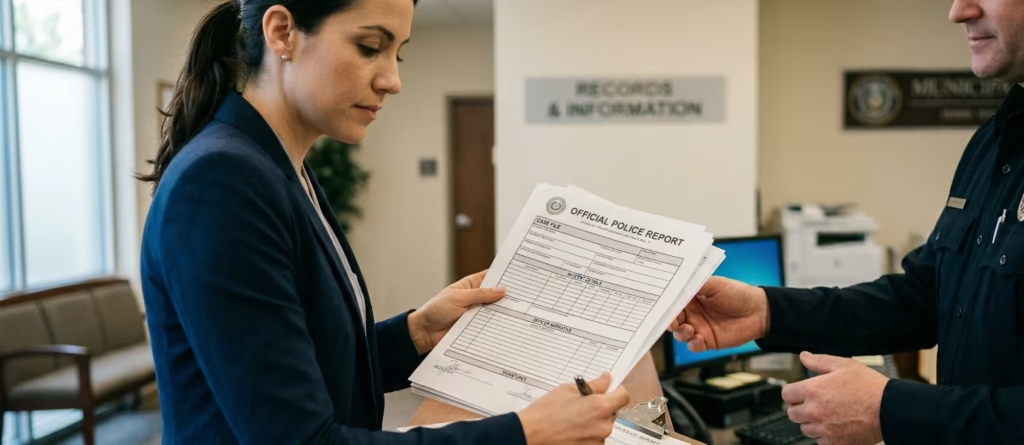
A responding officer will create an official Car accident police report, which becomes key evidence when filing a car insurance claim after accident or pursuing a personal injury claim. Under Texas law, accidents involving injury, death, or significant property damage must be reported.
Without a formal report, it can become your word against the other driver’s.
Step 2: Move to Safety (If Possible)
If no one is seriously injured and the vehicles can be driven:
- Move to the shoulder or a safe nearby location.
- Turn on hazard lights.
- Use warning triangles or flares if available.
In Texas, you cannot leave the scene of an accident. Leaving – even if you believe you were not at fault – can lead to serious criminal consequences.
Step 3: Exchange Information Carefully
Once everyone is safe, you must exchange information after car accident with all drivers involved. Collect:
- Full name and phone number
- Driver’s license number
- Insurance company and policy number
- Vehicle make, model, and plate number
- Exact accident location
Keep conversations calm and brief. Do not admit fault or apologize. Even if you believe you may have contributed to the accident, fault determinations are made after investigation. Statements made at the scene can be used later by insurance companies.
This is a critical part of your car accident checklist.
Step 4: Document Everything at the Scene
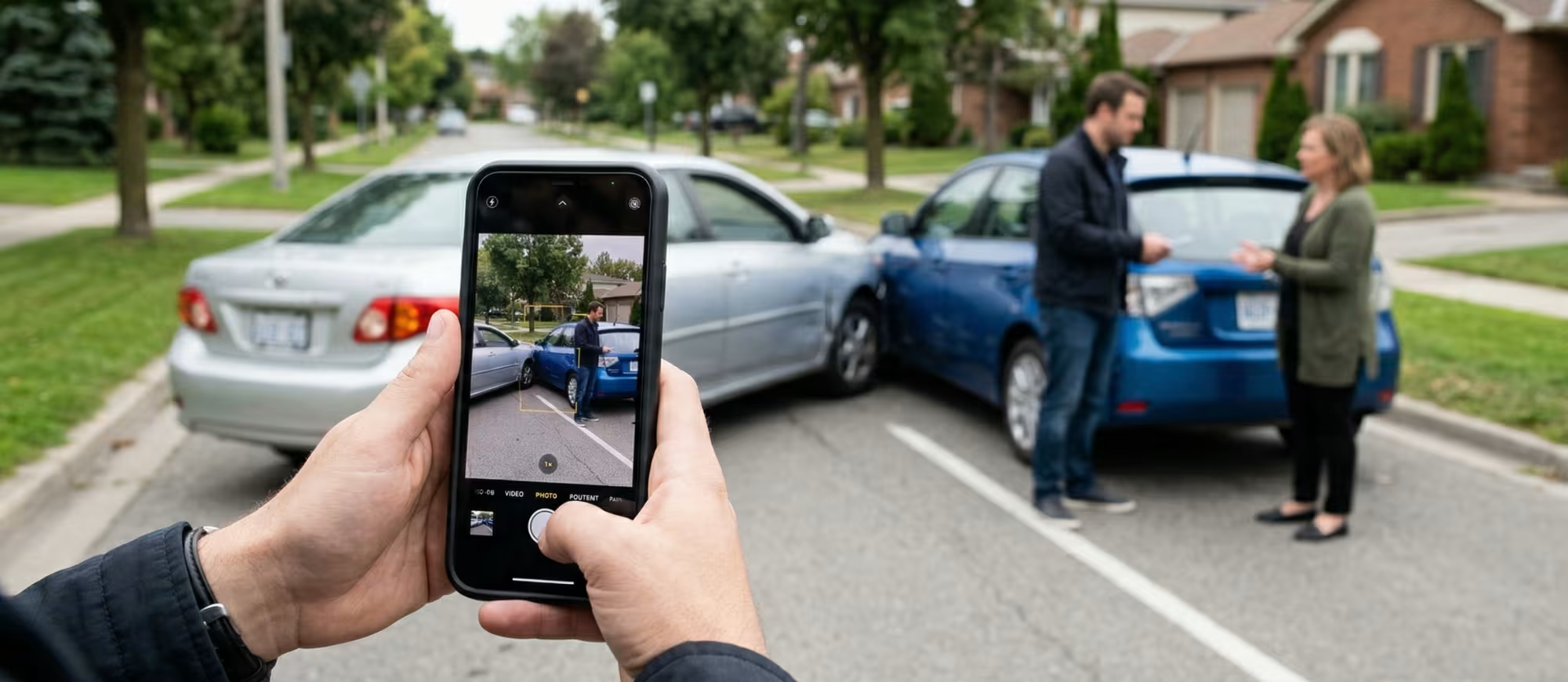
Your smartphone can preserve vital evidence.
Take clear photos and videos of:
- All vehicles involved (multiple angles)
- Close-ups of damage
- License plates
- Traffic lights and signs
- Skid marks
- Road and weather conditions
- Visible injuries
Also gather witness names and phone numbers. Independent witness statements can become extremely important if fault is disputed.
Thorough documentation strengthens your position if you later need to file a personal injury claim.
Step 5: Seek Immediate Medical Attention
Always seek medical attention after car accident, even if you feel fine.
Many injuries do not appear immediately. Adrenaline can temporarily mask pain. Conditions such as:
- Whiplash
- Soft tissue injuries
- Concussions
- Internal bleeding
- Spinal injuries
may take hours or even days to develop symptoms.
Prompt medical care protects your health and creates documentation directly linking your injuries to the crash. Without medical records, insurance companies may argue your injuries are unrelated.
If you are unsure whether care is necessary, err on the side of caution.
Step 6: Notify Your Insurance Company
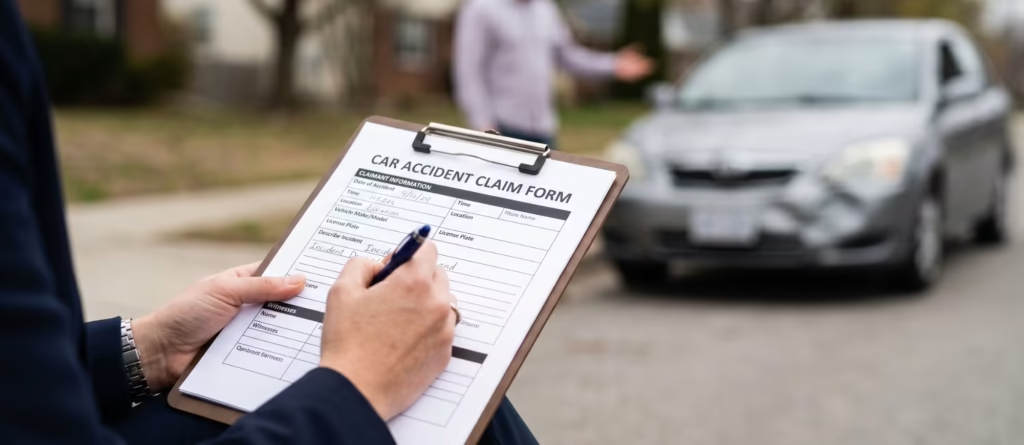
You must begin your car insurance claim after accident promptly. Many drivers are unsure how to file a car insurance claim, but the general process includes:
- Reporting the accident.
- Providing photos and documentation.
- Submitting the car accident police report.
- Cooperating with the adjuster.
When speaking with insurance representatives:
- Stick to basic facts.
- Do not speculate.
- Do not admit fault.
- Avoid giving recorded statements to the other driver’s insurer before speaking with a car accident lawyer.
Texas follows an at-fault system, meaning the responsible driver is financially liable for damages.
Step 7: Keep Detailed Records
One often-overlooked but crucial step to take after a car accident is keeping organized documentation.
Maintain a file that includes:
- The car accident police report
- Medical records and bills
- Repair estimates and receipts
- Photos and videos
- Insurance correspondence
- Proof of missed work and lost wages
- A journal documenting pain and daily limitations
This documentation becomes vital if you pursue a personal injury claim.
What to Do After a Car Accident Not Your Fault
If you are searching for what to do after a car accident not your fault, the steps above still apply, but documentation becomes even more important.
When another driver caused the crash:
- Avoid admitting fault.
- Preserve all evidence.
- Track medical expenses and lost income.
- Be cautious with insurance settlement offers.
You may be entitled to compensation for more than just vehicle repairs, including medical costs, lost wages, and pain and suffering.
Should You Hire a Lawyer?
After a serious crash, many people ask:
- Should I get a lawyer after a car accident?
- Is it worth getting an attorney for a car accident?
If injuries are serious, fault is disputed, or the insurance company offers a low settlement, consulting a car accident lawyer or personal injury attorney can be critical.
An experienced personal injury lawyer can:
- Evaluate the full value of your damages
- Handle negotiations
- Protect you from unfair insurance tactics
- File a lawsuit if necessary
When searching online for a Car accident lawyer near me or personal injury lawyer near me, focus on experience with Texas injury law and a history of handling similar cases.
If you are located in Cedar Hill, working with a Cedar Hill car accident lawyer or Cedar Hill car accident attorney provides the benefit of local knowledge and familiarity with area courts and procedures. Choosing the best car accident lawyer for your situation can significantly impact the outcome of your case.
Filing a Personal Injury Claim in Cedar Hill
If you suffered injuries due to another driver’s negligence, you may file a personal injury claim seeking compensation for:
- Medical expenses
- Lost wages
- Future medical care
- Pain and suffering
- Property damage
A skilled personal injury lawyer can assess both current and future damages to ensure you are not settling for less than you deserve.
Conclusion: Protecting Your Health, Rights, and Future
A car accident can disrupt your life in an instant. Knowing what to do after a car accident gives you clarity during a stressful and confusing time.
From ensuring safety and obtaining a car accident police report, to beginning a car insurance claim after accident, to deciding whether to consult a car accident lawyer, each step plays a role in protecting your recovery.
If you are still wondering, car accident what do I do, remember this: prioritize safety, document everything, seek medical care, report the accident properly, and consider legal guidance when necessary.
Taking the right actions today can make a lasting difference in your physical recovery, financial stability, and peace of mind tomorrow.