
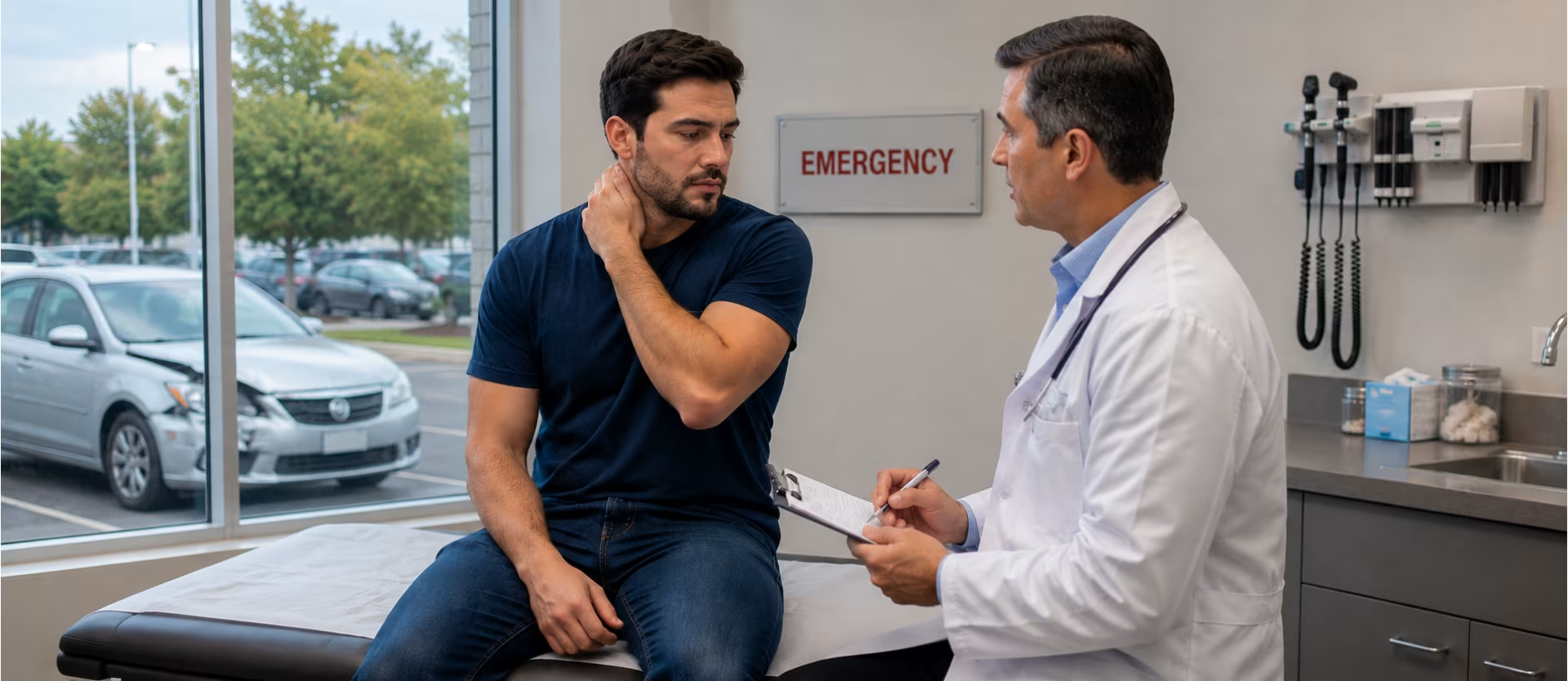
Right after a car accident, it’s easy to think, “I feel okay, so maybe I don’t need to go to the hospital.” The adrenaline of the crash can make you feel surprisingly normal, even when your body has been through a significant impact. Hours later, however, that may change. A stiff neck, persistent headache, back pain, or dizziness can appear once the initial shock wears off.
In situation like this, it’s fair to ask should I go to the emergency room after a car accident? If you are experiencing pain, unusual symptoms, or were involved in a significant collision, getting checked by a medical professional is generally the safest choice. A healthcare provider can assess you for injuries that may not be obvious at first, recommend treatment, and give you a clearer picture of your condition.
Whether your accident happened in Cedar Hill or elsewhere in North Texas, seeking medical attention promptly puts your health first and documents your injuries from the outset. If your injuries are serious or your claim becomes complicated, it may also be time to speak with a car accident lawyer.
When to Go to the Hospital After a Car Accident?
Not every collision requires an emergency room visit, but certain symptoms should never be ignored. Therefore, knowing when to go to the hospital after a car accident can make a real difference in your recovery. If you notice any of the following after a crash, seek immediate medical attention:
- Loss of consciousness
- Severe or worsening headaches
- Significant neck pain following an impact
- Difficulty breathing
- Chest pain
- Severe abdominal pain
- Heavy bleeding
- Broken bones or obvious deformities
- Weakness, numbness, or tingling in your arms or legs
- Difficulty walking or maintaining your balance
- Confusion, slurred speech, or changes in vision
These symptoms can signal serious injuries that require prompt evaluation. If something feels seriously wrong after a crash, don’t wait for it to get worse before seeking help.
What to Do After a Car Accident?
Once the immediate danger has passed, it can be difficult to know what you should do next. Try to focus on the basics rather than attempting to figure everything out at once.
If you are physically able to do so:
- Call 911 if anyone appears seriously injured or the scene is unsafe.
- Seek medical attention for pain, dizziness, headaches, or other concerning symptoms.
- Exchange contact and insurance information with the other driver.
- Take photographs of the vehicles, roadway, traffic signs, and visible injuries when it is safe.
- Get contact information from anyone who witnessed the accident.
- Avoid admitting fault or speculating about who caused the crash.
- Keep copies of medical records, bills, prescriptions, and other accident-related documents.
You don’t have to solve the insurance or legal side of the accident at the scene. First, make sure everyone is safe and that anyone who needs medical attention receives it.
What If You Don’t Feel Injured Right Away?
Feeling fine immediately after an accident doesn’t necessarily mean you’re uninjured. Delayed pain after a car accident is extremely common. Adrenaline can temporarily dull pain, while some injuries take time to produce noticeable symptoms.
For example, you might walk away from a collision feeling normal and begin experiencing discomfort later that evening. Delayed pain after a car accident can include:
- Neck pain
- Back pain
- Shoulder pain
- Headaches
- Muscle stiffness
- Numbness or tingling
- Dizziness
These delayed injury symptoms after a car accident are sometimes referred to as hidden injuries because there may be no obvious sign of damage immediately after the collision. Paying attention to changes in how you feel over the following hours and days is important.
If symptoms appear or worsen, seek medical attention rather than assuming they will disappear on their own.
Common Car Accident Injuries
The type and severity of an injury can depend on everything from the speed of the vehicles to the direction of impact. Some of the more common car accident injuries include:
- Whiplash symptoms after a car accident, including neck stiffness, soreness, and reduced range of motion
- Concussion after a car accident and other traumatic brain injuries
- Herniated or bulging discs
- Soft tissue injuries
- Fractures
- Shoulder injuries
- Knee injuries
- Internal injuries after a car accident
Some injuries aren’t immediately visible. Internal injuries after a car accident, for example, may require diagnostic testing such as X-rays, CT scans, or MRIs. The same can be true when someone develops neck pain or back pain after a car accident but has no visible injury.
That’s why how you feel immediately after a crash isn’t always a reliable indicator of how serious your injuries may be.
Why Prompt Medical Treatment Matters?
Getting medical treatment after a car accident is first and foremost about taking care of yourself. Early evaluation gives a healthcare professional the opportunity to identify injuries, begin appropriate treatment, and monitor how you’re recovering.
If you’re wondering about seeing a doctor after a car accident, don’t feel that your symptoms have to be severe before you make an appointment. Even seemingly minor pain or discomfort is worth discussing with a healthcare professional if it develops after a collision.
There is also an important documentation component. If another driver’s negligence caused the accident, your medical records for a car accident claim can help establish what injuries you suffered, when they were identified, and what treatment you received. Emergency room records may also become relevant during insurance negotiations or, if necessary, a personal injury lawsuit.
Your health should determine when you seek care, not concerns about what an insurance company might say later.
Should You Call an Ambulance?
If you or another person involved in the crash appears seriously injured, calling 911 is generally the safest course of action. Emergency responders can assess people at the scene, provide immediate care, and determine whether transportation to the emergency room is necessary.
Not every injury becomes apparent at the scene, though. If symptoms develop after you have left, don’t ignore them simply because you initially declined an ambulance. Depending on the severity of your symptoms, you may need an emergency room, urgent care facility, or appointment with your healthcare provider.
Understanding Urgent Care vs. Emergency Room After a Car Accident
People often wonder whether they need the ER or whether urgent care is enough. When considering urgent care vs. emergency room after a car accident, the right choice depends largely on the symptoms you are experiencing.
- Emergency room: Serious or potentially life-threatening symptoms, such as chest pain, difficulty breathing, severe bleeding, loss of consciousness, or significant neurological changes, require emergency medical attention.
- Urgent care or primary care: Less severe symptoms, such as mild soreness or stiffness, may be appropriate for evaluation at an urgent care facility or by your regular doctor.
When you are unsure about the seriousness of your symptoms, it’s safer to seek professional medical advice rather than assume everything is fine.
Should I See a Doctor After a Minor Car Accident?
A vehicle doesn’t have to look badly damaged for someone inside it to be injured. Wondering if you should see a doctor after a minor car accident? Consider how you are feeling rather than relying only on the appearance of the vehicles.
Pain, dizziness, headaches, numbness, stiffness, or other unusual symptoms warrant medical attention. Even when you initially feel fine, some injuries may not become noticeable until hours or days after the collision.
When something doesn’t feel right, getting checked is generally better than assuming the discomfort will resolve on its own.
How Long After a Car Accident Should I See a Doctor?
There isn’t a universal deadline that determines how long after a car accident I should see a doctor. However, if you have symptoms or believe you may have been injured, it’s generally best to seek medical attention as soon as reasonably possible.
Prompt evaluation helps doctors identify and treat injuries earlier. It can also create a clearer medical timeline showing when symptoms appeared and how they relate to the crash. If you wait several days or weeks before seeking care, an insurance company may question whether your symptoms were caused by the accident or something that happened afterward.
Do I Need Medical Treatment After a Car Accident?
If you are asking, “do I need medical treatment after a car accident?” there isn’t one answer that applies to everyone. The appropriate care depends on the circumstances of the crash and your symptoms.
If you are experiencing pain or other concerning symptoms, seek medical evaluation promptly. And if you were advised to follow up with a doctor after being treated at the scene or in an emergency room, following those instructions can help ensure that an injury doesn’t go untreated.
The important thing is not to ignore changes in your health simply because you initially felt fine.
Will Waiting to See a Doctor Hurt My Injury Claim?
Every injury claim is different, and a delay in treatment does not automatically prevent someone from recovering compensation. However, waiting to seek medical attention can make it more difficult to establish a clear connection between the crash and your injuries.
A car accident injury claim often depends on a consistent timeline: the accident, the onset of symptoms, the diagnosis, and the treatment that followed. Prompt medical attention can help create that record.
Your medical records may also become important when determining the value of your claim. Keep copies of bills, treatment notes, prescriptions, diagnostic results, and other records. These documents can help demonstrate the medical impact of the accident and support your claim during settlement negotiations.
What If the Insurance Company Says You Weren’t Hurt?
Insurance companies may question the seriousness of an injury when someone doesn’t seek treatment immediately after a crash. A delay doesn’t automatically mean that a person wasn’t injured, but it can give an insurer an opportunity to question the connection between the accident and later symptoms.
That is one reason timely medical documentation can be important. Records showing when symptoms appeared, what doctors found, and what treatment was recommended can help establish a clearer picture of what happened and support your insurance claim after a car accident injury.
Still, medical care should never be sought simply to satisfy an insurance company. Your decision to see a doctor should be based on your health and the advice of a qualified medical professional.
Medical Expenses After a Car Accident
Even a car accident that seems straightforward can lead to significant medical expenses. Emergency care may be followed by imaging, specialist appointments, medication, physical therapy, or other treatment.
Keep track of these expenses as you go. Save medical bills, receipts, insurance statements, prescriptions, and records of appointments. If you miss work because of your injuries, keep documentation of that loss as well.
These records can help show the financial impact of your injuries and may become important when negotiating an insurance settlement or pursuing a personal injury claim.
When Should I Speak With a Car Accident Lawyer?
Once your immediate medical needs are being addressed, you may start wondering what happens next. The other driver’s insurance company may contact you, medical bills may begin arriving, and you may be unsure who should pay for your treatment. If you are unable to work, the financial pressure can become even more stressful.
If another driver’s negligence caused your injuries, speaking with a car accident lawyer can help you understand your legal rights and what to expect from the insurance claims process. A lawyer can help organize medical documentation, communicate with insurance adjusters, investigate liability, and determine what compensation may be available.
You don’t need to know exactly how much your case is worth before asking questions. An initial conversation with a trusted personal injury lawyer can simply help you understand your options and decide what to do next.
Summing Up
After a car accident, it’s understandable to focus first on getting home, dealing with vehicle damage, and figuring out what happens next. But your health deserves attention just as quickly.
Some injuries are obvious at the scene. Others emerge later, after the adrenaline fades and your body begins responding to the impact. If you’re experiencing pain, dizziness, headaches, numbness, or other concerning symptoms, seek medical attention and follow your healthcare provider’s recommendations.
If you are unsure whether you need emergency care, it’s better to speak with a qualified healthcare professional than to ignore symptoms and hope they go away.
If another driver’s negligence caused the crash, keep your medical records and accident-related expenses organized. Those documents may become important if you later pursue an insurance claim or personal injury case.